
Waste-to-Energy plant in Acone, Latvia
Moving towards a cleaner environment and national energy independence
Gren provides district heating and cooling, renewable energy solutions, and industrial energy services. We have extensive waste-to-energy experience, with a strong track record of delivering large projects and operating them with high efficiency, availability, and reliability. We provide reliable, renewable, and affordable energy using local resources and work closely with communities and governments to support long-term energy resilience.
In Gren’s waste-to-energy plants, the remaining non-hazardous municipal and industrial waste that cannot be further recycled is used as fuel to produce electricity and heat in a controlled and safe incineration process.
Our experience in Lithuania:
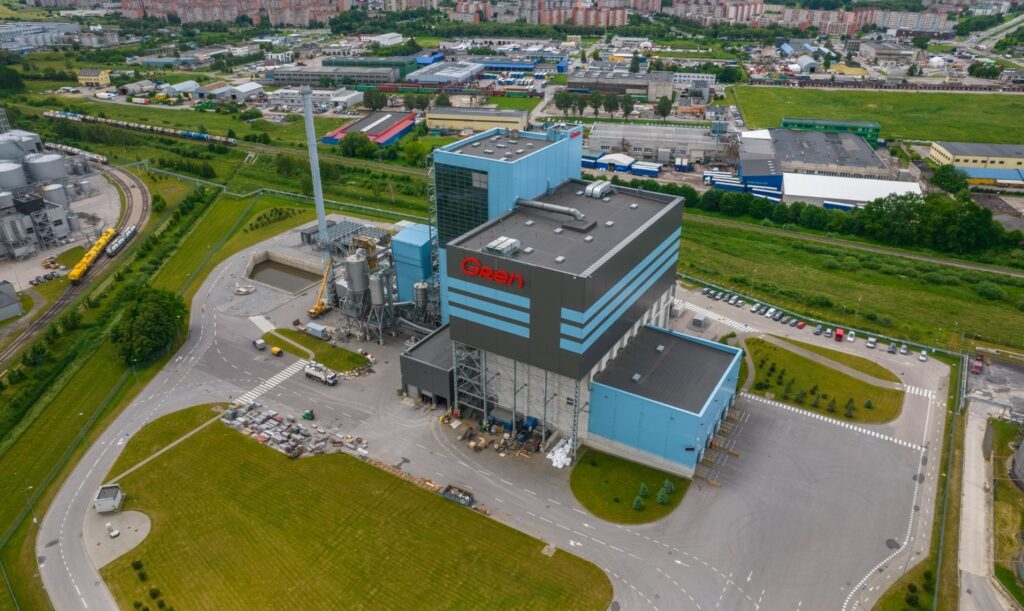
We have been supplying heat to the district heating company in Klaipėda since 2013, and in Kaunas since 2020. The heat is generated in our waste-to-energy plant using non-hazardous municipal and industrial waste. These plants offer a sustainable solution for both heat and electricity production while improving overall waste management: instead of being sent to landfills, waste is transformed into valuable energy.
Waste-to-energy means:
-
sustainable use of resources and less waste going to landfills;
-
reduced greenhouse gas emissions;
-
a cleaner environment and developed infrastructure;
-
competitive heat tariffs;
-
energy independence and security;
-
investment in the national economy.
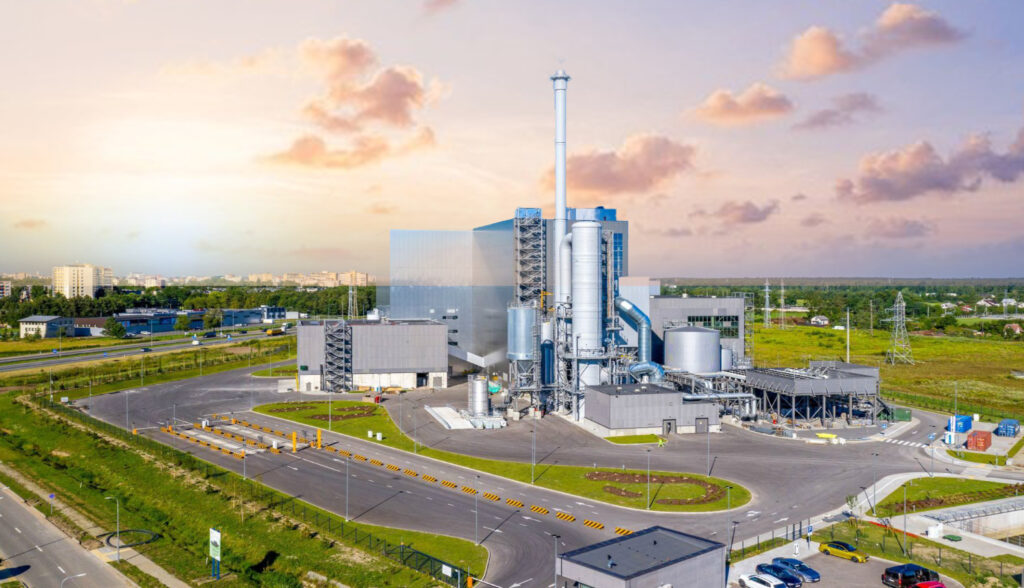
A modern and safe waste-to-energy plant developed by Gren, a Northern European energy company with extensive experience in building and operating such facilities.
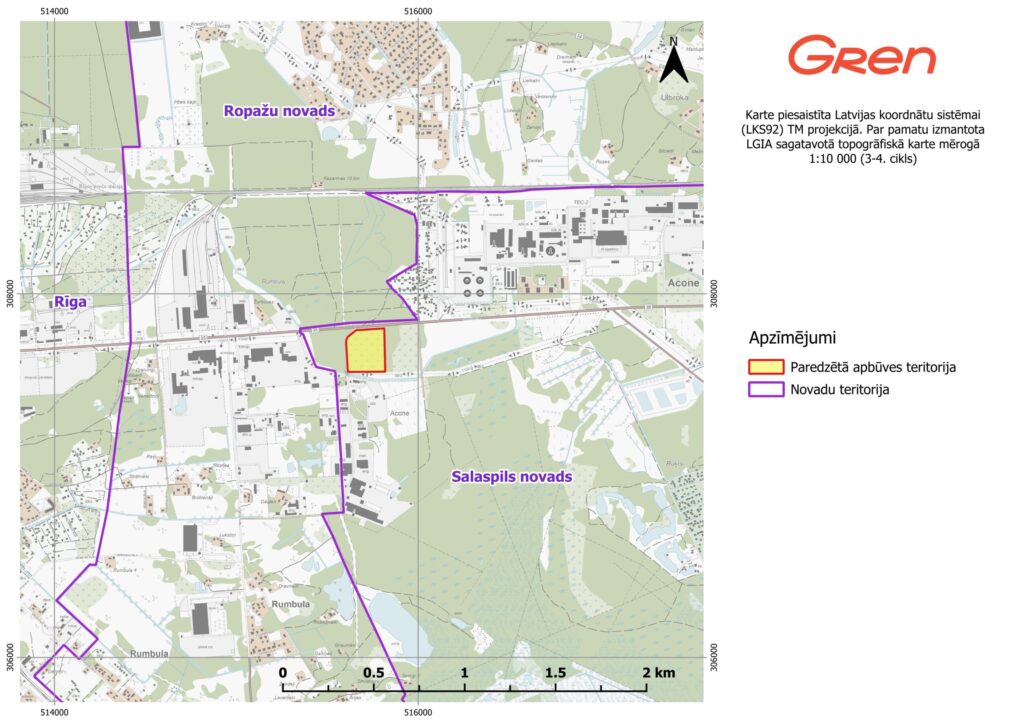
Location: Acone
Annual processing capacity: 150–200 thousand tonnes
Energy source: Sorted, non-hazardous waste that cannot be recycled; low-quality wood residues; other biomass residues
Origin of energy sources: Latvia
Thermal capacity: 50–70 MW
Electrical capacity: 15–20 MW
Heat produced: Equivalent to the annual needs of ~40,000 households
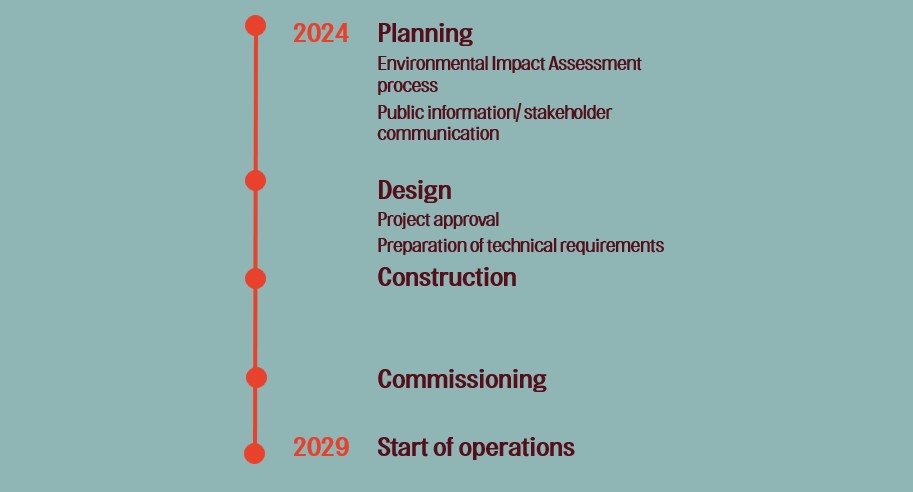
Project Timeline
The Gren Acone Waste-to-Energy plant will be located in an industrial development area close to Riga city.
Benefits for Residents
Benefits for Society and Environmental Protection
- Significant reduction of waste in Latvia’s landfills and its valuable use for energy production.
The amount of unused energy currently buried in landfills is equivalent to 2 TWh, worth approximately €40 million. - Energy production uses sorted, non-hazardous municipal and industrial waste and biomass that cannot be recycled and would otherwise end up in landfills.
- Improved infrastructure and new jobs for the local community.
- Cleaner environment and reduced pollution.
Economic Benefits
- The investment project will stimulate economic growth, create new jobs, and strengthen the country’s energy security and independence.
- Gren is committed to investing in the development of local industrial infrastructure.
- The Gren waste-to-energy plant in Acone is a private investment project that does not require additional state or municipal funding.
Development of Waste-to-Energy Plants in Europe
Europe has more than 500 waste-to-energy plants that convert non-hazardous municipal and industrial waste, unsuitable for recycling, into electricity and heat. Every year, these facilities supply electricity to nearly 20 million people and heat to approximately 17 million residents.
Have Questions About the Project?