
Gren expands battery storage and flexible generation across the Baltics to support grid stability
Gren is bringing electricity generation, heat production and battery storage closer together through new projects across the Baltics. Building on its established energy infrastructure, the company is expanding its role in electricity trading, balancing and reserve markets while contributing to the region’s security of supply.
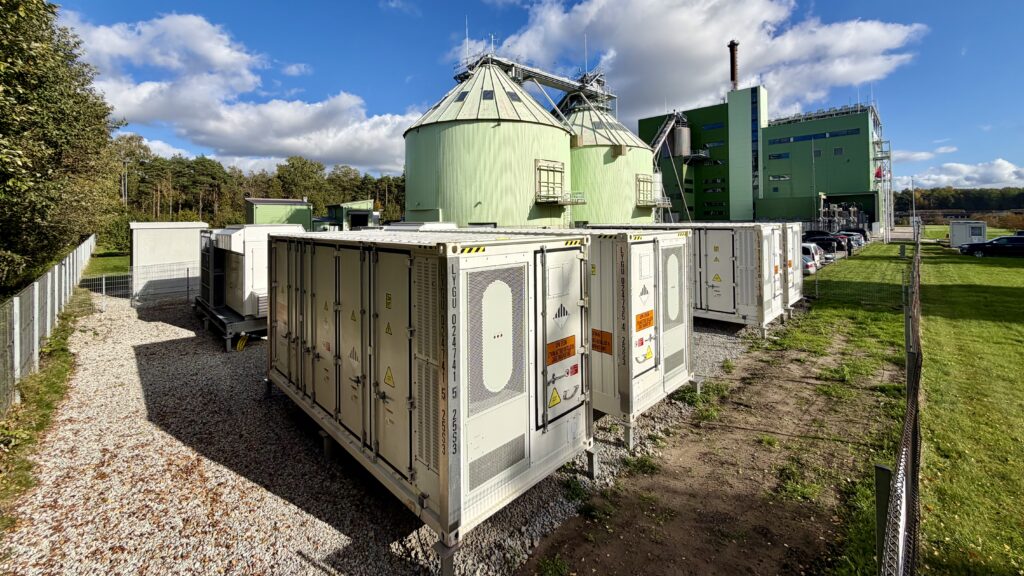
An important part of this development is Gren’s growing battery storage portfolio, which will soon reach 120 MWh when its new 72 MWh project in Klaipėda, Lithuania, is completed. This will add to the three existing battery systems in Jelgava, Latvia, and Pärnu and Tartu, Estonia, with a combined storage capacity of 48 MWh. The systems in Jelgava, Pärnu, and Tartu are connected to Gren’s biomass combined heat and power (CHP) plants, while the new battery in Klaipėda will be installed at the company’s waste-to-energy CHP plant and use its existing grid connection.
Co-locating battery storage with CHP production enables Gren to coordinate electricity generation, consumption and storage more effectively. In Tartu and Jelgava, this capability is further strengthened by heat accumulators, which store thermal energy for later use and allow electricity and heat production to be scheduled more flexibly. Together, these solutions help Gren respond to changing electricity prices and grid needs while continuing to provide reliable heat to the communities it serves.
Gren is also expanding flexible generation capacity in Estonia, where the company is building two frequency reserve power plants in Tartu and Ahtme with a combined 60 MW of reserve power capacity. The plants will initially run on natural gas, with plans to connect them to district heating networks so that heat from electricity generation can be used for homes and buildings. Looking ahead, both plants are being developed with the capability to use biomethane and to incorporate hydrogen into the fuel mix. This will provide greater flexibility to adapt to changing fuel availability and future energy needs, while creating opportunities to reduce reliance on fossil fuels and lower emissions over time.
Electric heat production is another part of this integrated approach. In Jelgava, Latvia, Gren’s 20 MW electrode hot water boiler uses electricity to produce heat when power prices are favourable, enabling more efficient use of energy resources. By adjusting its electricity consumption in response to grid needs, the boiler can also provide balancing services to the Latvian transmission system operator. Together, these capabilities demonstrate how district energy infrastructure can play an increasingly active role in the evolving power system.
“As a growing share of renewable electricity becomes part of the energy mix, flexibility is becoming increasingly important,” says Urmo Heinam, CEO of Gren Baltics. “These projects strengthen our ability to support grid stability, participate in balancing and reserve markets, and create new value from our existing infrastructure. At the same time, safe and reliable energy supply for our customers remains our highest priority.”

Following the Baltics’ synchronisation with the Continental European electricity grid, demand for balancing services has increased, with battery storage, reserve power plants and flexible electricity consumption helping to maintain grid stability and integrate renewable electricity.
Gren’s investments demonstrate how integrated local energy systems can deliver reliable heat while supporting grid stability and participating in electricity markets, while the recently completed EUR 1.15 billion refinancing of Gren’s Baltics business provides a strong financial foundation for these investments and will deliver further development across the region.